Ninety minutes on why this diagnosis looks different patient to patient, and what to do about it Monday morning.
$36 one time
Live on Zoom, plus a 36-hour replay
This 90-minute class will give you real-world applications to work in your office with POTS, as well as a basic physiological understanding of the different ways that POTS can present in your male and female patients, and tools to tackle those different types of presentations.
POTS patients rarely arrive early. By the time one is sitting in your office, they have usually been through a long diagnostic road and come out the other side holding a label and very little else. They have been told the workup is normal. They know something is wrong.
Part of what makes the condition hard to treat is that one name is covering several different presentations. A single protocol applied to all of them will work for some patients and do nothing for others, which is exactly the pattern most clinicians run into. This class walks through the physiology underneath those differences, including how presentation differs between male and female patients, and then gets specific about what you do with each one.
It is built for the clinician who already has these patients on the schedule and wants something more useful than a referral.
What can you do differently in your office on Monday morning.
A working understanding of what is actually happening when a patient stands up and their heart rate climbs. Autonomic control of blood volume and vascular tone, what fails, and the several different ways it can fail, so the term POTS stops being a single thing in your head and starts being a set of distinguishable presentations.
Why your male and female patients with the same diagnosis do not look the same in the room, do not report the same symptoms, and do not respond to the same approach. This is the part most clinicians have never been taught, and it is usually what explains the patient who is not improving on a protocol that has worked for everyone else.
Application. How to sort which presentation is in front of you, what to do about it with the tools you already have in your office, and how to set expectations with a patient who has been let down by the last several people they saw. Clinical application and case discussion, not theory you have to translate yourself.
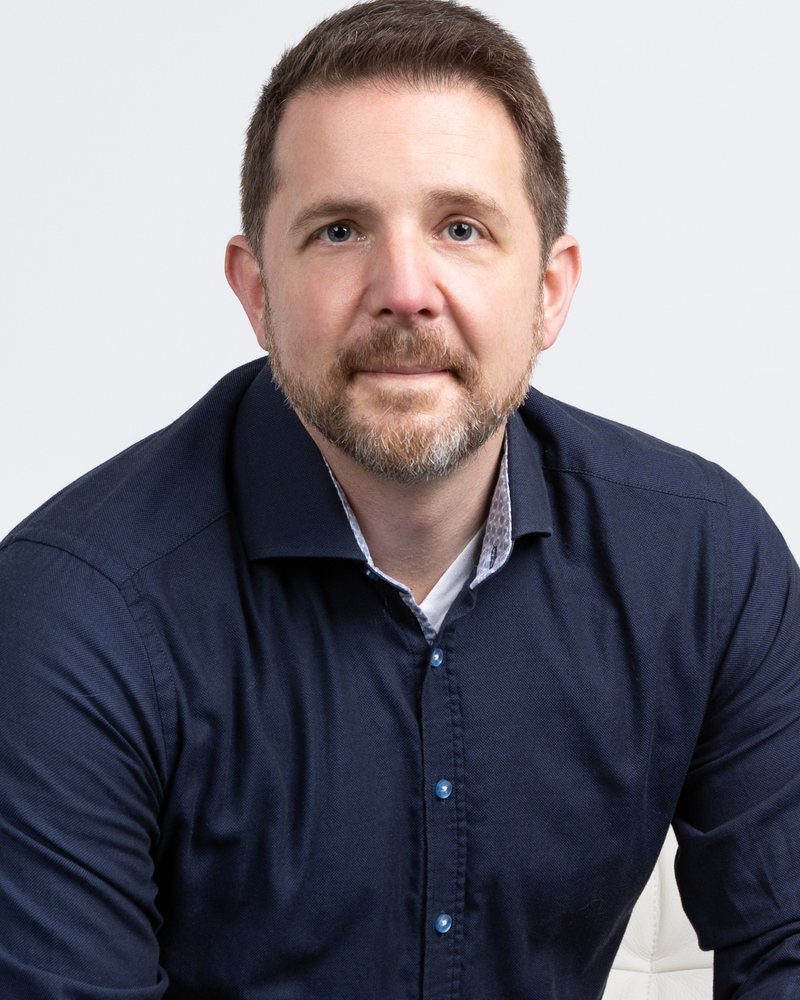
DC, DACNB, CCSP
Clinical Director at Brain Optimization Institute and a board-certified chiropractic neurologist.
Dr. Longyear’s work starts with his own case. Paralyzed by a football injury his sophomore year of high school and told he would never walk again, he used the prognosis as fuel and walked out of the hospital a month later. None of his doctors ever settled on a consistent diagnosis, so he went looking for one himself.
That search led him to Parker University, where he studied chiropractic and graduated valedictorian. He went on to study functional neurology, psychology, and functional medicine.
Before moving to Jacksonville to open the Brain Optimization Institute, he was Director of the NeuroLIFE Institute at Life University, treating complex neurological conditions other practitioners had given up on, taking part in research on concussion and depression, and designing and teaching programs for doctors around the world.
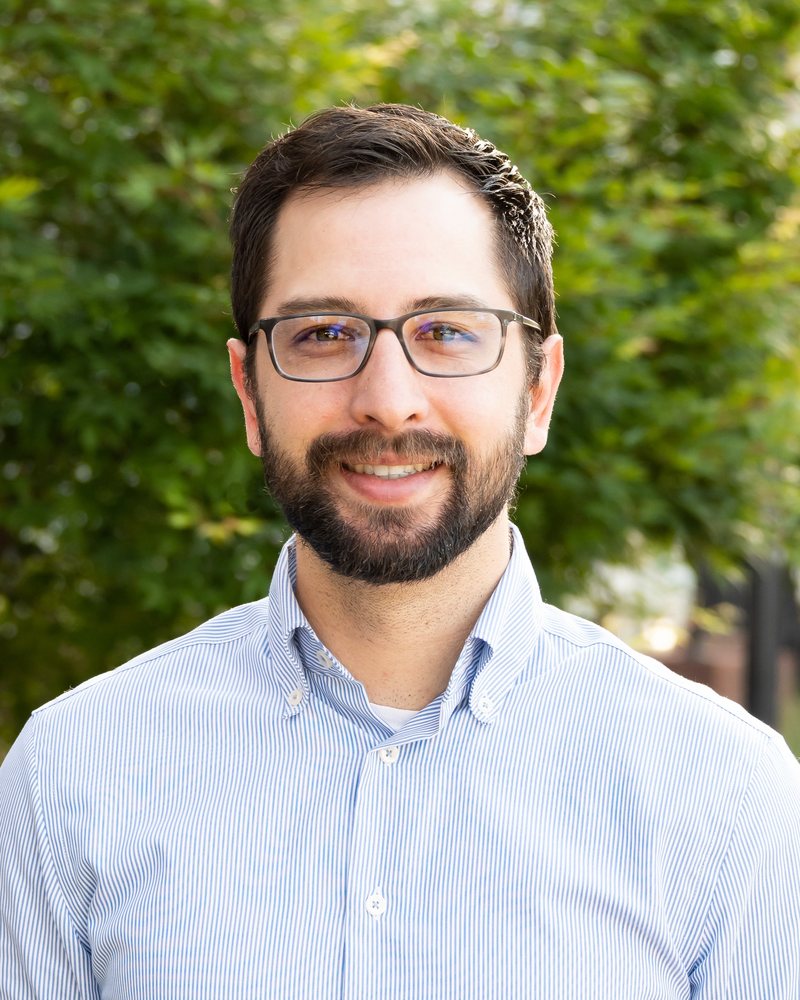
DC, DACNB
Clinical Director of the NeuroLIFE Institute at Life University and a board-certified chiropractic neurologist.
Dr. Fetterly came to neurology through his own injury list. Multiple concussions in childhood and in sport left him with questions about brain health and function, and those questions led him into chiropractic functional neurology and neurological rehabilitation.
He grew up in Toledo, Ohio, and earned a Bachelor of Science in athletic training at the University of Toledo, working as a neurological rehabilitation technician at the University of Toledo Medical Center while he studied. He completed his Doctor of Chiropractic at Life University alongside training with functional neurologists and internships including the NeuroLIFE Institute, and earned his board certification through the American Chiropractic Neurology Board in 2018.
One payment. Ninety minutes live, plus a 36-hour replay.
Wednesday, September 30, 2026
7:00 PM Eastern · 90 minutes · on Zoom
The Zoom link is emailed to you after you register.
What POTS actually is, why it presents differently in your male and female patients, and what to do about it in your office.
Reserve Your Seat